Frequently asked questions about public-private partnerships
Straight answers for procurement, finance and legal readers.
Every project is different and each structure is tailored, so each answer says what it depends on.
Please reach us at info@civicsix.com if you cannot find an answer to your question.
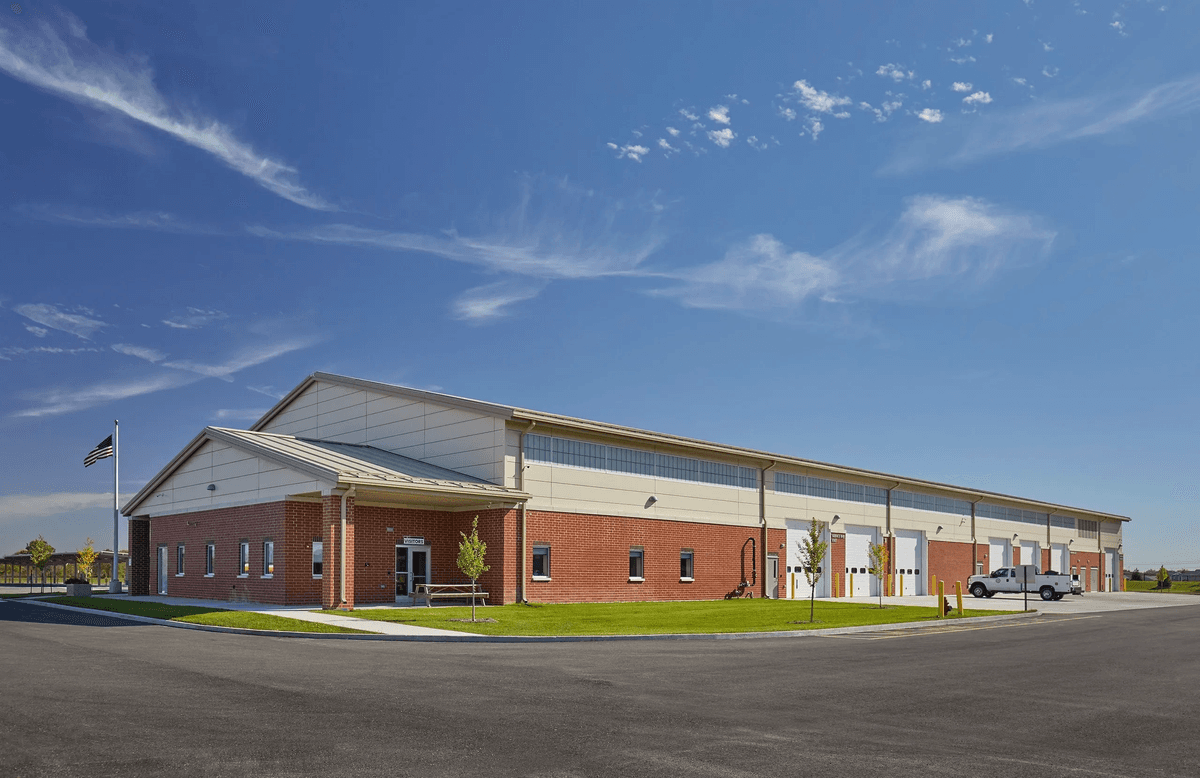
Noblesville Transportation Center, Specialized facility, photograph
What the answers depend on
Most answers on this page come back to a few things. These are the ones to check for your project.
| Condition | What to check |
|---|---|
| Your state's law | Whether the constitution or legislation provides for P3. State law |
| Your project | The facility, the site and the community's needs. Facilities and scope |
| The structure | The roles agreed on financing, permitting, property, design, construction and operations. How much upfront capital a P3 needs |
| Accounting standards | How lease payments are treated locally. Lease payments and debt |
| The lease | Its structure and its end-of-term options. The term and the public interest |
The basics
What is a Public-Private Partnership (P3)?
A P3 is a long-term contract between a public agency and private partner to deliver public infrastructure. The private partner assumes responsibility for design, construction, and financing, transferring significant risk from the public sector.
How does P3 differ from traditional procurement?
Traditional procurement requires upfront capital and separate contracts for design, construction and options for maintenance. P3s bundle all services under one agreement with a single point of accountability, proven track record of better cost and schedule performance, and comprehensive risk transfer to the private sector.
What are the main drivers for choosing P3?
Communities choose P3s to: bridge the infrastructure funding gap, accelerate project delivery, transfer construction and operational risks, preserve debt capacity, achieve budget certainty, and access private sector innovation and efficiency.
Facilities and scope
How are project scope and responsibilities determined?
The P3 process involves determining respective roles between private and public sectors regarding financing, permitting, property acquisition, design, construction, and operations based on community needs and project-specific factors.
Can you help before we've decided to build?
Yes. In Cedar Lake, our team helped define requirements, develop the program and early concepts, and understand anticipated costs. In Allen County, our work began by evaluating whether to renovate or replace an aging facility.
What types of facilities can be developed with Civic Six?
Fire stations, police facilities, emergency operations centers, civic buildings, maintenance facilities, community centers, and other essential public infrastructure that serves a public purpose.
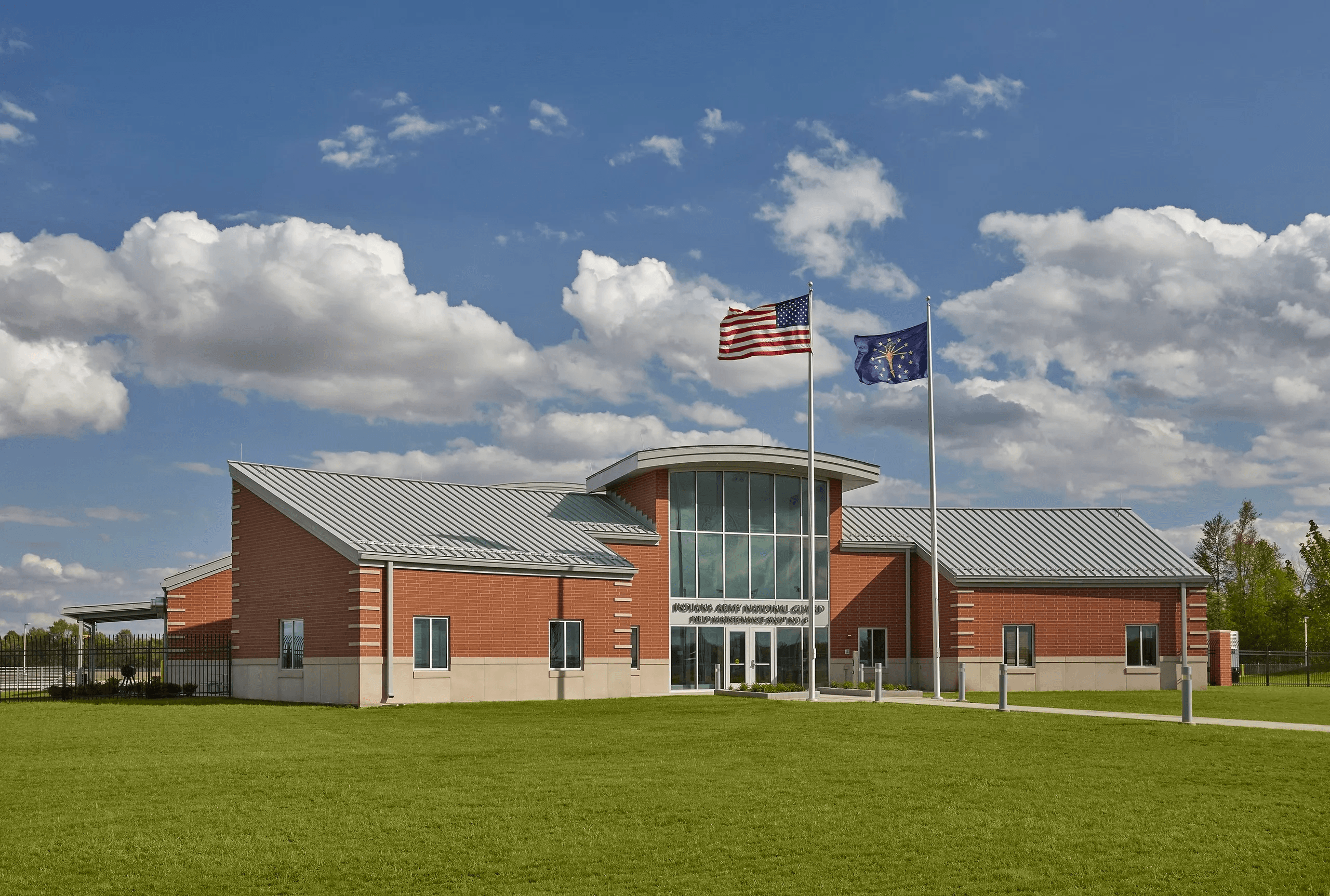
Indiana Army National Guard Field Maintenance Shop, Specialized facility, photograph
How much upfront capital a P3 needs
How much depends on the structure tailored to your project, so there's no single figure that applies to every community.
What a partnership can do is free up capital for other community priorities. We'll talk through what applies to yours.
A P3 with Civic Six requires limited upfront capital.
- Depends on:
- the structure agreed for your project.
Lease payments and debt
Are P3 lease payments considered debt?
P3 lease payments are typically structured as operating expenses and may not count against debt limits, depending on local accounting standards and lease structure, helping preserve your borrowing capacity for other priorities.
Depends on: local accounting standards and the lease structure. Your finance director and counsel confirm how it applies to you.
What does Civic Six take on financially?
We assume construction and financing risk.
The term and the public interest
What happens at the end of the lease term?
Terms vary but typically include options to: end the lease, transfer ownership to the public entity, or negotiate a lease agreement for continued services.
How do you ensure public interest is protected?
P3 contracts include performance requirements, service level agreements, and processes to resolve performance failures, with sufficient incentives to ensure compliance throughout the contract term.
State law
Are P3s allowed in our state?
We work only where P3 is provided for in the constitution or state legislation. Our target states are:
- Florida
- Texas
- New Jersey
- California
- Pennsylvania
- Ohio
plus other continental states where P3 is provided for.
Do we need to adopt anything locally first?
That depends on your state's law, so it's one of the first questions for your counsel.
Depends on: your state's constitution or legislation and the type of facility. Your counsel confirms how your state's law applies.
Getting started
How do we get started?
Send the enquiry form at the foot of this page, or call 1-888-222-1882.
The enquiry form
The enquiry form asks for your first name, last name, email, phone, company or city name and a message, and you can attach a file.
What should we tell you?
The facility you need, where your community is, where things stand and any timing pressure. Attach a study, site plan or brief if you have one.
Still have a question about your project?
Ask us about your facility directly. We'll follow up to talk through the answers that apply to your community.
On the first call, we'll cover
- The facility your community needs
- A civic building, a public safety facility or a specialized community facility, and where it will serve.
- The timeline and budget you're working within
- Constraints shape the partnership, so we tailor the structure to them from the first conversation.
- A project summary, if you have one
- Plans or a brief help, but they're optional; a short description of the project is enough to start.
Leave your details and we'll follow up to talk it through. You don't need a finished plan.