How a public-private partnership works, in plain language
A P3 is a long-term contract between a public agency and private partner to deliver public infrastructure.
With Civic Six Partners, we develop and deliver the facility, assume construction and financing risk, then lease the building back to your community under a long-term agreement.
This page walks through each stage and who carries what.
The words you'll hear
Public-private partnership (P3)
A long-term contract between a public agency and a private partner to deliver public infrastructure.
Private partner
The firm that takes responsibility for design, construction and financing. In a Civic Six partnership, that is us.
Lease back
We deliver the facility, then lease it to your community under a long-term agreement.
Risk transfer
Moving significant risk, such as construction and financing risk, from the public sector to the private partner.
Single point of accountability
One agreement covering the bundled services, instead of separate contracts for each.
Lease term
The length of the agreement. It is set for each project.
From first conversation to the end of the term
Every project is different, so timing depends on yours.
These are the stages a partnership with Civic Six moves through.
Initial assessment
Your communityYou tell us the facility you need and the constraints you're working within.
Civic SixWe help understand needs, evaluate alternatives and set priorities, including whether to renovate or replace.
Structuring
Your community and Civic Six: Together we determine the respective roles on financing, permitting, property acquisition, design, construction and operations, based on your community's needs and the project.
Design and construction
Civic SixCivic Six delivers the facility with architects, engineers and contractors who specialize in public safety and civic facilities. We carry construction and financing risk.
Lease and lease management
Lease term
Your communityOnce the facility is delivered, your community leases it from us under a long-term agreement.
Civic SixPerformance requirements and service level agreements apply through the term.
End of the term
Your community and Civic Six: Terms vary but typically include options to end the lease, transfer ownership to the public entity, or negotiate a lease agreement for continued services.
Who carries which risk
The heart of the model is a shift in risk. Here is where each one sits. Where it depends on your project, the answer is Varies by project.
| Risk | Who carries it |
|---|---|
| Construction risk | Civic Six, through design and construction. |
| Financing risk | Civic Six. |
| Facility requirements | Your community sets them at assessment. We turn them into the building program. |
| Property acquisition | Varies by project. |
| Permitting | Varies by project. |
| Operations | Varies by project. |
| Lease payments | Your community, through the term. |
| Performance during the term | Civic Six, held to performance requirements and service level agreements. |
How lease payments work, and whether they count as debt
P3 lease payments are typically structured as operating expenses and may not count against debt limits, depending on local accounting standards and lease structure.
That can help preserve borrowing capacity for other priorities. Your finance director and counsel should confirm how it applies to you.
With limited upfront capital, your community pays for the facility through lease payments over the term.
- Upfront capital
- Limited
- Paid through
- Lease payments over the term
- Typically structured as
- Operating expenses
- Depends on
- Local accounting standards and lease structure
Who owns the building at the end
Ownership is set in the agreement for each project. At the end of the lease term, terms vary but typically include these options:
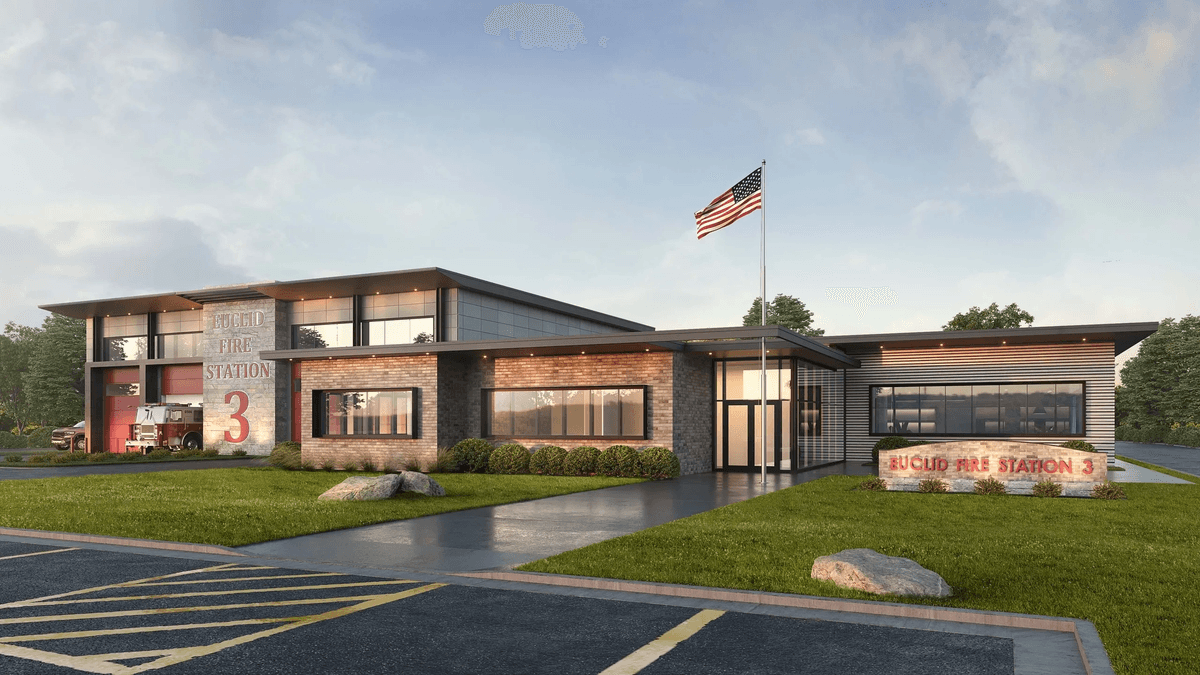
Euclid Fire Station 3, Public safety facility, rendering
End the lease
The agreement closes when the term ends.
Transfer ownership
Ownership of the facility passes to the public entity.
Continue the lease
A new lease agreement is negotiated for continued services.
How the public interest is protected
P3 contracts include performance requirements, service level agreements, and processes to resolve performance failures, with sufficient incentives to ensure compliance throughout the contract term.
We act as an extension of government, remaining transparent, accountable, and aligned with the mission of public service.
Choosing a partner under your state's law
How a public body selects a P3 partner is set by state law, and it differs from state to state. We work only where P3 is provided for in the constitution or state legislation.
Your attorney confirms the steps your state requires, including anything you must adopt locally before you start.
Explaining it to your council
You may need to explain the model in a public meeting.
These are the points it rests on
What it is
A long-term contract with a private partner to deliver a public facility.
What moves
Construction and financing risk move to Civic Six.
What it needs
Limited upfront capital, with lease payments over the term.
What protects the public
Performance requirements and service level agreements.
What happens at the end
Options to end the lease, transfer ownership or continue under a new lease.
What it depends on
Your state's law and a structure tailored to your project.
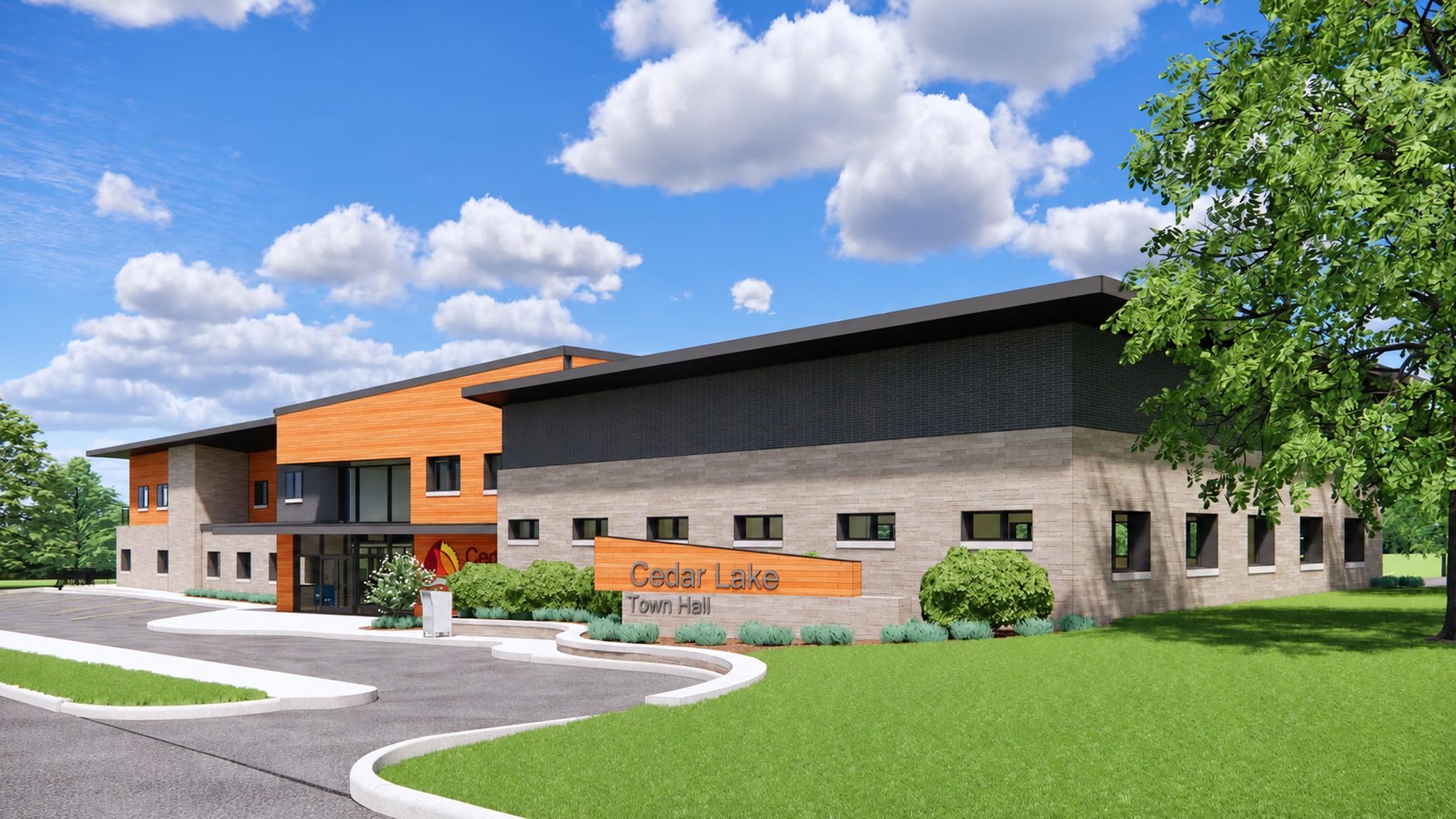
Cedar Lake Town Hall, Civic building, rendering
In Cedar Lake, our team helped define requirements, develop the program and early concepts, and understand anticipated costs so decision-makers could decide how and when to move forward.
More questions first-timers ask
What types of facilities can be developed with Civic Six?
Fire stations, police facilities, emergency operations centers, civic buildings, maintenance facilities, community centers, and other essential public infrastructure that serves a public purpose.
How much upfront capital do we need?
Limited upfront capital is part of the model. How much depends on the structure tailored to your project, so there's no single figure for every community.
Can you help before we've decided to build?
Yes. In Cedar Lake, our team helped define requirements, develop the program and early concepts, and understand anticipated costs so decision-makers could decide how and when to move forward.
Do we lose control of the project?
Your community's needs set the requirements, and the respective roles are agreed for each project. Your counsel reviews the agreement before anything is signed.
Bring your project to a first conversation
Bring your facility, your constraints and your questions. We'll follow up to talk through how a partnership could be structured for your community.
On the first call, we'll cover
- The facility your community needs
- A civic building, a public safety facility or a specialized community facility, and where it will serve.
- The timeline and budget you're working within
- Constraints shape the partnership, so we tailor the structure to them from the first conversation.
- A project summary, if you have one
- Plans or a brief help, but they're optional; a short description of the project is enough to start.
Leave your details and we'll follow up to talk it through. You don't need a finished plan.