What is a public-private partnership?
Our introduction to the model and how it works for civic facilities.
Marc Lofman, Managing DirectorP3 structures
Doing your homework before a meeting? Start here. We've gathered our articles, straight answers to common questions and our email updates in one place.
They're written for finance directors, attorneys, purchasing officers and elected officials.
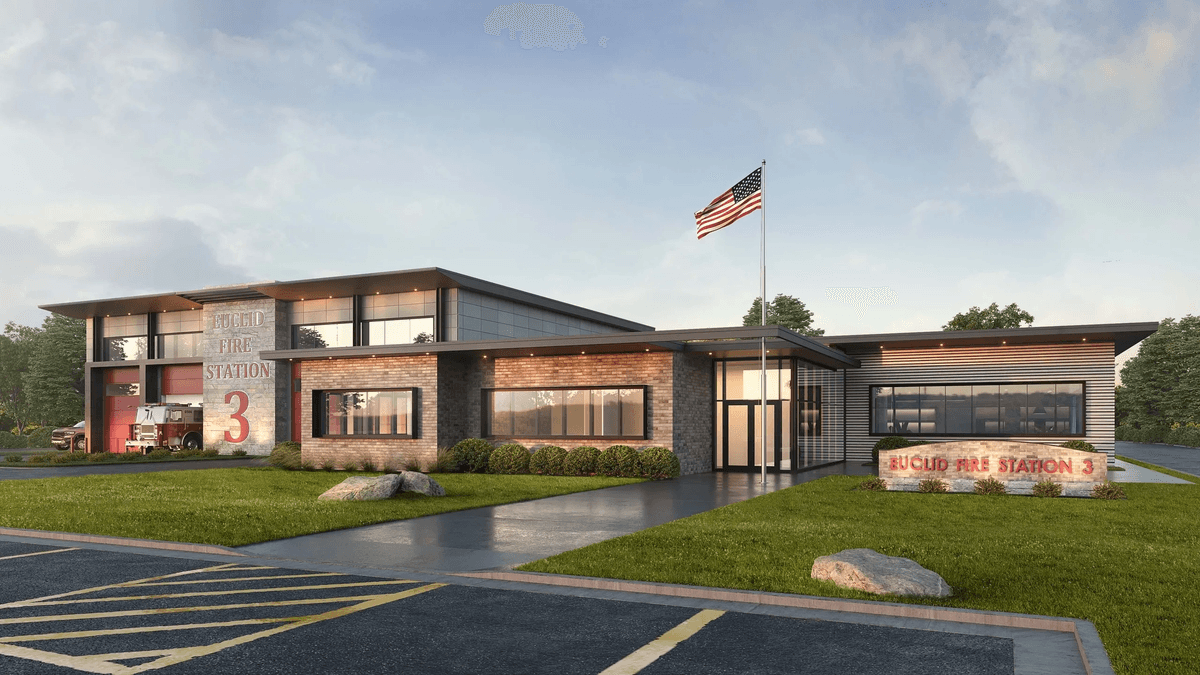
Euclid Fire Station 3, Public safety facility, rendering
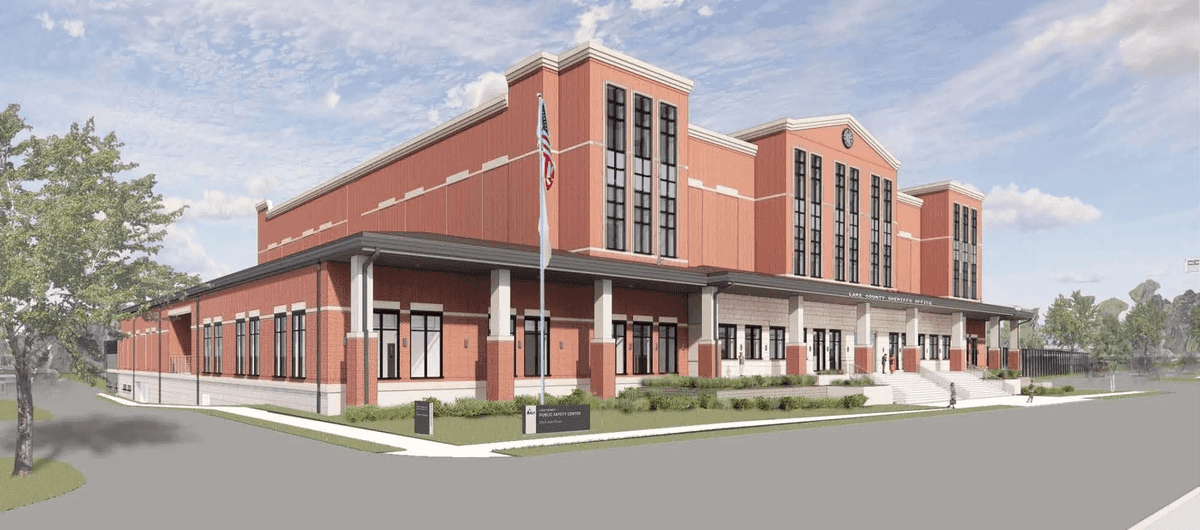
Lake County Public Safety Center, Public safety facility, rendering
How lease payments work, and whether they count as debt.
Start with the frequently asked questions.
Where P3 is provided for, and what counsel should confirm.
Start with where we work.
How a P3 differs from traditional procurement, and the stages of a partnership.
Start with how a P3 works.
The buildings, the people and the case for a partnership.
Start with our projects, our team and why Civic Six.
Straight answers on risk, upfront capital and state law. Each answer says what it depends on.
A long-term contract between a public agency and a private partner to deliver public infrastructure.
Communities choose P3s to: bridge the infrastructure funding gap, accelerate project delivery, transfer construction and operational risks, preserve debt capacity, achieve budget certainty, and access private sector innovation and efficiency.
They may not count against debt limits, depending on local accounting standards and lease structure.
Terms vary but typically include options to end the lease, transfer ownership or negotiate a new lease.
Through performance requirements, service level agreements and processes to resolve performance failures.
Civic Six works only where P3 is provided for in the constitution or state legislation. Our target states include Florida, Texas, New Jersey, California, Pennsylvania and Ohio, along with other states across the continental United States where the law provides for it.
Your counsel confirms what applies to you.
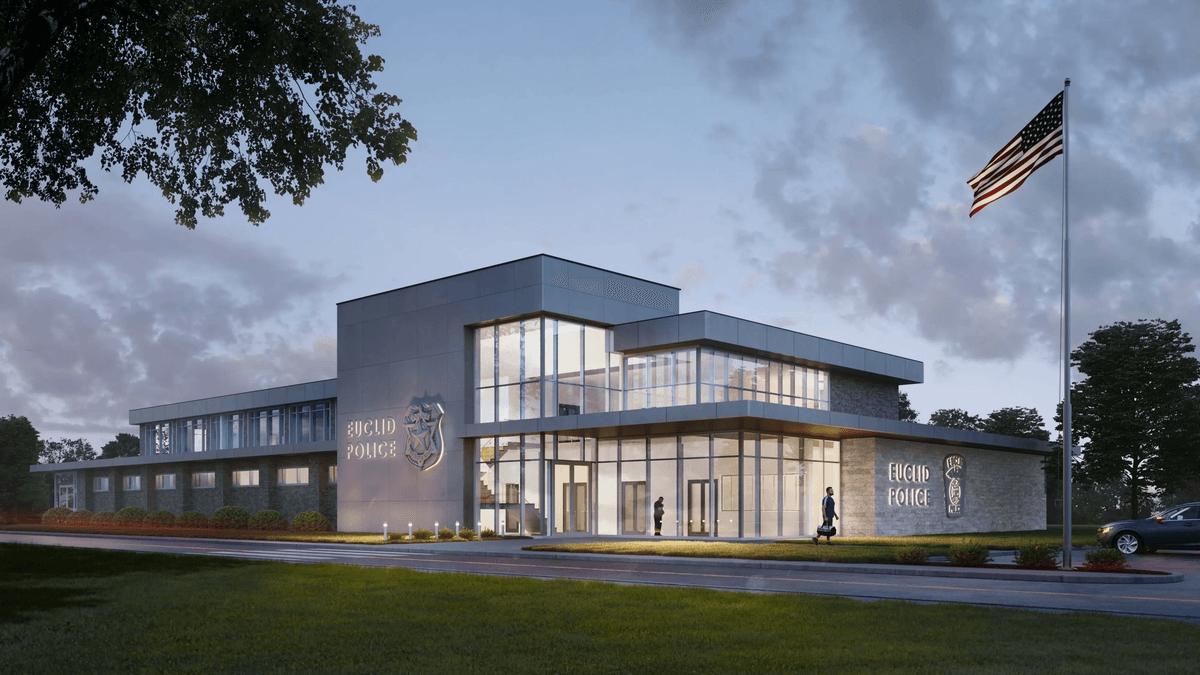
Euclid police station, Public safety facility, rendering
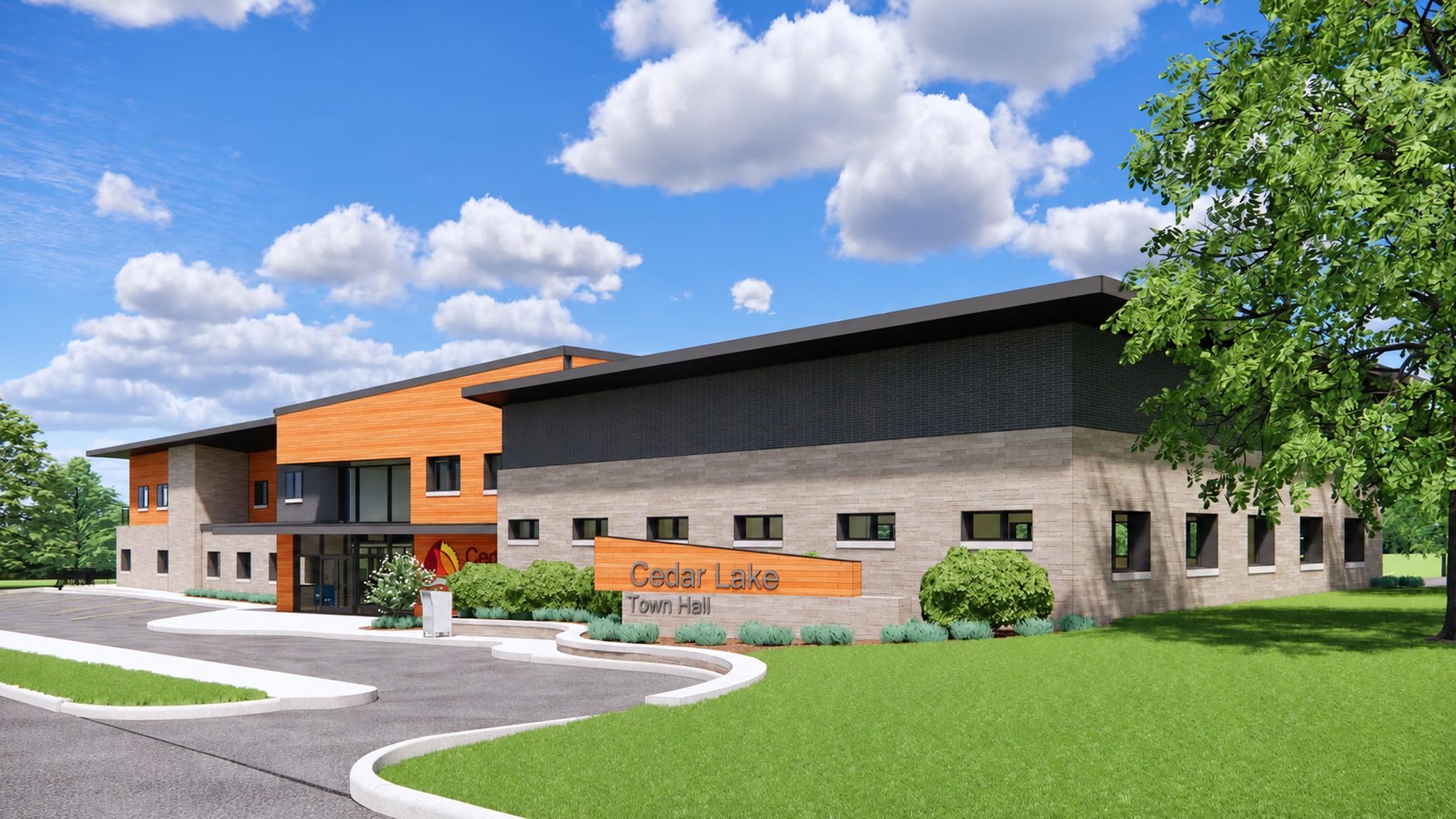
Cedar Lake Town Hall, Civic building, rendering
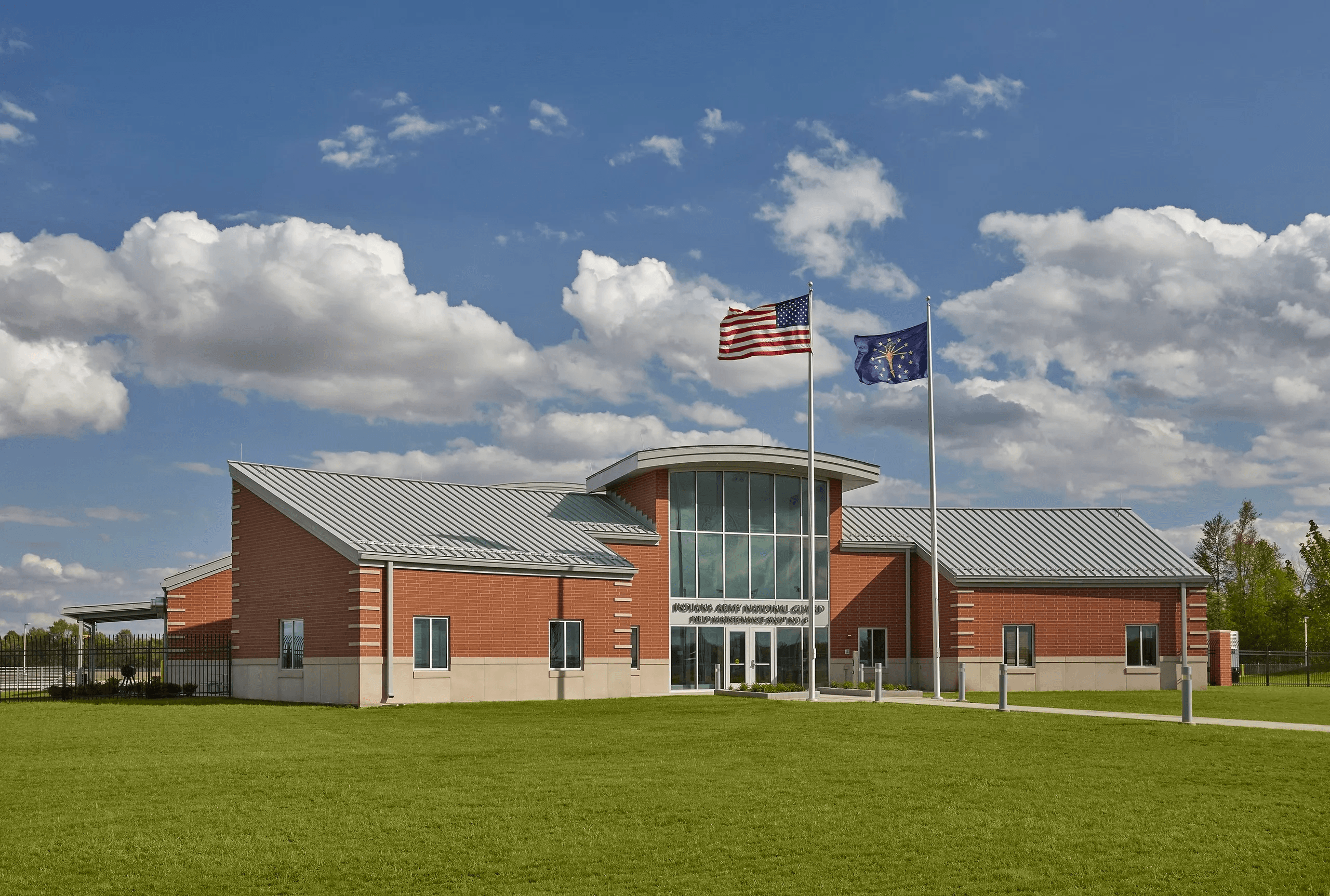
Indiana Army National Guard Field Maintenance Shop, Specialized facility, photograph
Explore our guides and insights on P3 structures, alternative financing, and municipal facilities.
Our articles are written by people who do the work: our Managing Directors.
Marc Lofman, Eric Benitez, Jim Kaplan and Scott Maloney
Our introduction to the model and how it works for civic facilities.
Marc Lofman, Managing DirectorP3 structures
How a partnership is put together, who takes on design, construction and financing, and how the lease works.
Ways to deliver a public facility when traditional funding and construction methods fall short.
Fire stations, police facilities, emergency operations centers, civic buildings and public works buildings.
Every project is different, and each structure is tailored to the public client.
Use the reading to prepare your questions, then bring them to us and to your own counsel.
Lease terms, end-of-term options and how payments are treated depend on your state, your accounting standards and the deal itself.
Sign up to our email list for regular updates, news, and insights on public-private partnerships. We handle your details as our privacy policy describes.
Please reach us at info@civicsix.com if you cannot find an answer to your question.
You can also call 1-888-222-1882, or send the enquiry form with your question and any documents attached.
When your homework turns into a project, tell us about it. We'll follow up to talk through how a partnership could work for your community.
On the first call, we'll cover
Leave your details and we'll follow up to talk it through. You don't need a finished plan.
Civic Six uses cookies for analytics to improve this site. See our cookie policy.