
All articlesPublic-private partnerships
Facility Maintenance Plan: A Public Owner's Guide
A facility maintenance plan helps a public owner organize inspections, preventive work, repairs, and budgets across a building’s useful life. For municipal leaders and facilities planners, a useful facility maintenance p...

Managing Director
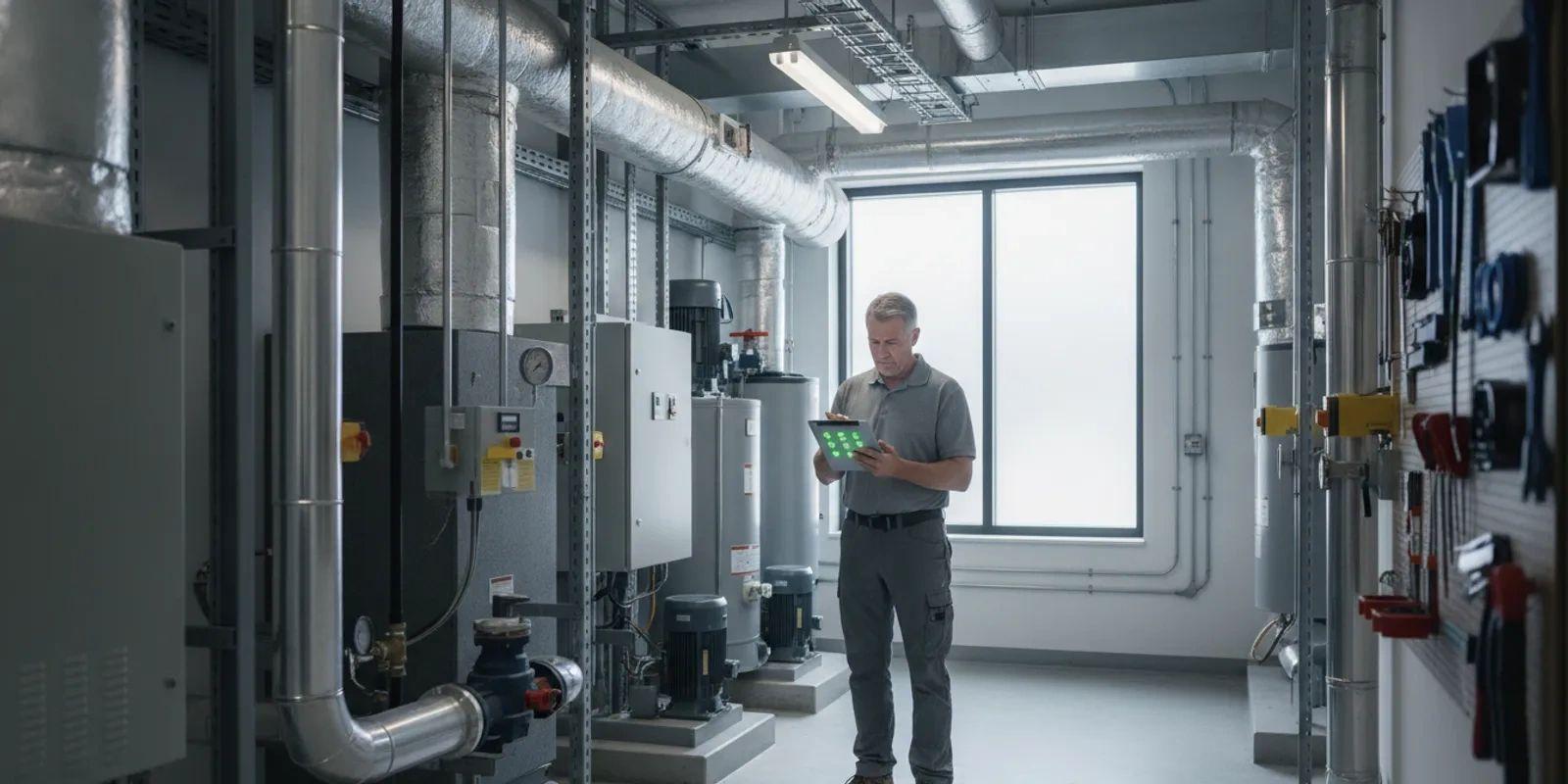
A facility maintenance plan helps a public owner organize inspections, preventive work, repairs, and budgets across a building’s useful life. For municipal leaders and facilities planners, a useful facility maintenance plan is more than a calendar: it documents what the facility contains, what condition it is in, who is responsible for each task, and how decisions will be funded. Contact Civic Six to discuss a project-specific facility planning conversation.
Discuss your facility planning needs
What should a facility maintenance plan include?
Start with a clear record of the building and its major systems. A fire station, courthouse, public-works building, and community center have different operating needs, but the planning method is similar. Record the asset, its location, available condition information, the task required, the timing, and the party accountable for completing and documenting it.
- Asset inventory: List building components and equipment, such as roofs, doors, heating and cooling systems, plumbing, electrical systems, life-safety equipment, and site features.
- Condition and criticality: Note known defects, age or service history when available, operational importance, and the consequence of failure. Do not treat an undocumented assumption as a verified condition.
- Maintenance tasks: Separate routine inspection, preventive service, corrective repair, and eventual replacement planning.
- Schedule and records: Identify due dates or intervals based on manufacturer guidance, applicable codes, operating experience, and qualified professional advice. Keep inspection findings and completed-work records together.
- Responsibilities: Name the public department or contracted party responsible for performing, approving, funding, and recording each task.
- Budget and escalation: Identify anticipated operating funds, known repair needs, and items that may require capital planning or further assessment.
How can a public owner set priorities?
When resources are limited, rank tasks by risk and service impact rather than treating every item as equally urgent. A practical review considers safety and code implications, the effect on essential public services, the likelihood and consequence of failure, the availability of a backup, and the cost or disruption of deferring work. A documented priority supports an informed budget discussion; it does not replace an inspection or engineering assessment.
For example, a municipality planning a maintenance facility may distinguish routine filter changes from a reported roof leak or a system issue that could interrupt operations. The plan should record the evidence, interim measures if any, responsible reviewer, and next decision date. If condition data is incomplete, make the information gap visible and arrange an appropriate assessment rather than assigning false precision.
How should the plan connect maintenance to budgeting?
Group work by time horizon: recurring operating tasks, near-term repairs, and longer-range renewal needs. Ask department and finance staff to compare the schedule with the budget cycle, procurement lead times, seasonal constraints, and planned changes in facility use. Estimates should be identified as estimates, with their basis and date recorded. Actual costs and timing depend on scope, site conditions, procurement, and market circumstances.
A maintenance plan is not itself a reserve study, capital plan, or guarantee that funds will be available. It gives decision-makers a more consistent basis for evaluating those tools. The International Facility Management Association’s facility management guidance emphasizes planning and aligning maintenance activity with operational needs.
Who is responsible when a project uses a public-private structure?
Do not assume that a public-private partnership automatically transfers maintenance obligations or risk. In a project-specific financing, development, delivery, or lease-back arrangement, the agreement determines who performs and pays for maintenance, how performance is documented, how urgent repairs are handled, and what happens at the end of the term. Public owners should review these provisions with their legal, procurement, finance, and facilities advisers.
Before approving a structure, request a responsibility matrix that addresses:
- Routine inspections, preventive maintenance, and record retention.
- Emergency response, repair authorization, and access to the facility.
- Capital replacement, lifecycle standards, and responsibility for latent or pre-existing conditions.
- Monitoring, reporting, remedies for missed obligations, and dispute processes.
- End-of-term condition expectations, ownership, and any transition work.
Compare the proposed arrangement with the public owner’s alternative, including costs over the full period, retained responsibilities, and the consequences of deferral. Long-term contractual payments and lifecycle costs depend on the project; they may exceed traditional financing. No particular delivery method guarantees savings, a set schedule, or a specific accounting treatment.
How can agencies keep the plan current?
Assign a plan owner and set a regular review date, as well as a trigger for review after major repairs, renovations, equipment replacement, or changes in facility operations. Use a consistent record format so staff can find the latest inspection, work order, warranty information, and approval. Track unresolved work with an owner and next action, not just a note that a problem exists.
When evaluating a civic facility project, Civic Six describes project-specific financing, development, and delivery options for public owners. The responsibilities and structure must be assessed for the particular project; a maintenance plan can help identify questions to resolve before a proposal or agreement is finalized.
Start a project-specific conversation
Questions public owners often ask
How often should a facility maintenance plan be updated?
Set a review schedule appropriate to the building and its operating needs, and update it when inspections, repairs, renovations, or changes in use affect the asset record or responsibilities. Follow applicable requirements and qualified professional recommendations.
Does a maintenance plan replace a facility condition assessment?
No. A plan organizes known tasks and decisions. A condition assessment can provide a more systematic evaluation of the facility and its components. The scope and qualifications needed depend on the building and the decisions the public owner must make.
Does a P3 or lease-back arrangement mean the private partner maintains the building?
Not automatically. The project agreement defines which party performs, funds, monitors, and documents maintenance and repairs. Review those provisions alongside lifecycle costs and end-of-term requirements.
What if the agency does not know the condition of a major system?
Record the uncertainty, identify the operational risk, and determine whether a qualified inspection or assessment is needed. Avoid setting a replacement date or cost as fact without supporting information.
A well-maintained plan helps a public owner connect facility condition, daily operations, budget decisions, and contractual responsibilities. Review it with the staff and advisers who will carry out those duties, and revise it as reliable information changes.